Garden Clearance Shadwell — Recycling and Sustainability
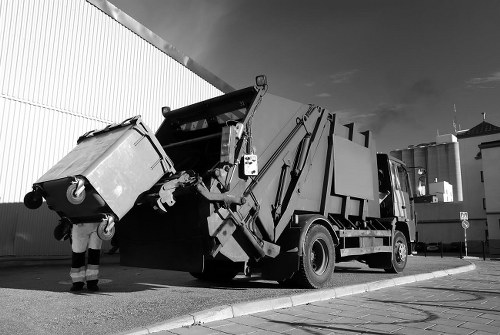
Garden Clearance Shadwell is committed to creating an eco-friendly waste disposal area and a truly sustainable rubbish area for our community. Our approach to garden clearance in Shadwell prioritises reuse, responsible disposal and measurable reductions in landfill. We combine local partnerships, improved sorting practices and a low-carbon fleet to deliver service that protects green spaces and reduces environmental impact.Our Sustainability Pledge
We set a clear recycling percentage target to keep our work accountable. Our goal is to divert at least 75% of all cleared garden material from landfill within two years through composting, reuse and recycling streams. This target covers green waste, soil and inert materials from garden clearance Shadwell projects and supports the borough’s wider waste separation efforts.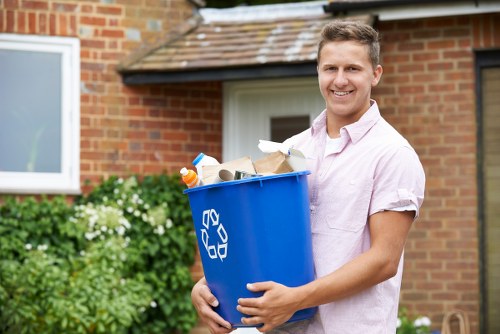 To meet that target we rely on a network of local transfer stations and recycling hubs. Garden clearance in Shadwell uses nearby east London transfer centres and borough transfer points to ensure materials are processed at the right facilities. We separate materials on-site and at local facilities into clear streams so that compostables, timber, metals and glass follow the correct recovery path:
- Green garden waste for municipal composting or anaerobic digestion
- Wood and timber for chipping and reuse as mulch
- Metals, plastics and glass sent to local material recovery facilities
Local Partnerships and Reuse
We work closely with community groups and charities to maximise reuse. Rather than treating everything as rubbish, our Shadwell garden clearance teams identify items that can be repurposed — pots, planters, tools, trellis and gently used timber are offered to local community gardens, repair cafés and furniture banks. These partnerships help reduce waste and support local reuse economies. Our collaborations include donation pipelines to community allotments, social enterprises that refurbish gardening equipment and local charities that accept quality items for resale. By diverting usable goods away from the waste stream we reduce the need for new resources and keep more material in circulation within the borough.
When materials cannot be reused, we ensure they are processed at certified transfer stations. The borough approach to waste separation — separating dry recycling, food and garden waste and residual waste — guides how we sort at source. This alignment with local separation schemes improves recovery rates and limits contamination.
Our operational model includes low-carbon vans and route optimisation. We have invested in mixed electric and low-emission vehicles for our Shadwell garden clearance fleet, reducing CO2 emissions on collection runs. In addition to electric vans, we employ efficient scheduling, load planning and selective consolidation with nearby collections to lower mileage and fuel consumption.
 Low-emission logistics are paired with small-scale measures such as using battery-powered chippers and hand tools where possible. This reduces the carbon footprint of garden clearances and creates quieter, cleaner operations in residential streets. Our aim is to shift progressively to a fully electric fleet as charging infrastructure improves across east London.
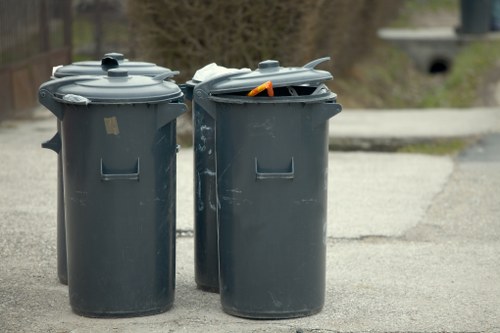 Measurement and transparency matter: we audit every clearance for diversion rates and publish aggregated performance to stakeholders. Garden Clearance Shadwell tracks tonnes collected, tonnes recycled, and the percentage sent to composting or reuse. These metrics inform continuous improvement and show progress toward the 75% recycling percentage target.
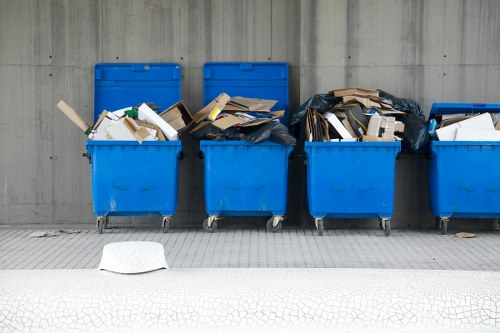
Creating an effective eco-friendly waste disposal area means investing in the right facilities and behaviours. Our teams are trained in material identification and contamination reduction so that recyclables are clean, dry and ready for processing. We also provide clear signage and sorting at collection points during larger clearances to make separation easy for residents and on-site staff.
Benefits of this approach include reduced landfill costs, production of local compost and mulch for community greening projects, and support for social enterprises that repair and redistribute usable goods. The sustainable rubbish area concept links collection, processing and reuse to community outcomes.
To support borough-wide objectives we actively align with local policy on waste separation and circularity. By combining local transfer stations, partnerships with charities and a modern low-carbon fleet, Garden Clearance Shadwell aims to set a practical example of how garden clearance can be delivered with environmental responsibility at the core.
In summary, our approach to Shadwell garden clearance emphasises high diversion rates, strong charity partnerships, and investment in low-emission operations. We are dedicated to creating a neighbourhood where cleared gardens are returned to productive use — as compost, mulch or repaired equipment — rather than ending up as landfill. This is our blueprint for a resilient, sustainable rubbish area in Shadwell and the wider borough.
Garden Clearance Shadwell will continue to refine processes, increase recycling percentage targets over time and expand community partnerships so that every clearance contributes to a healthier urban environment.
By combining best practice in separation, collaboration with transfer stations and charities, and a move toward a fully electric service fleet, we deliver garden clearance services that protect natural resources and support local circular economy initiatives.