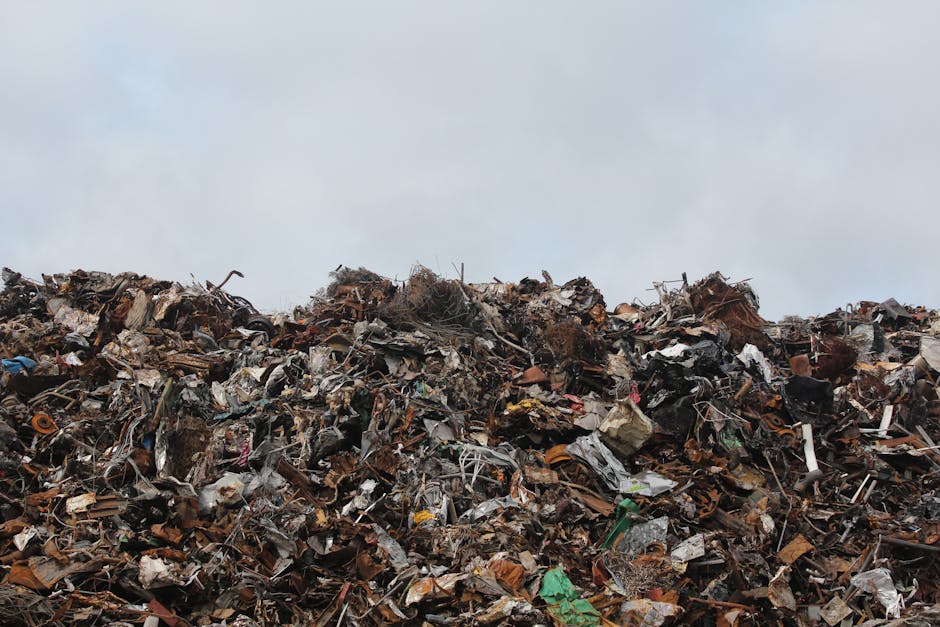
Shadwell Basin Bulky Rubbish Disposal for Riverside Flats
Living in a riverside flat near Shadwell Basin has plenty going for it: the views, the light, the sense of space, the water just beyond the window. But bulky rubbish disposal can be a different story. A broken sofa, a mattress, an old wardrobe, or a pile of renovation waste can quickly turn into a logistical headache when you are dealing with stairs, narrow corridors, lift timings, concierge access, parking restrictions, and neighbours who would quite like the hallway to stay clear. That is exactly why Shadwell Basin bulky rubbish disposal for riverside flats needs a practical, well-planned approach.
This guide explains how bulky item disposal works in a riverside setting, what to do before collection day, where the common problems are, and how to choose the most sensible route for your flat. If you want a smooth clearance without the chaos, you are in the right place.
Why Shadwell Basin bulky rubbish disposal for riverside flats Matters
Bulky waste in a riverside flat is not just "stuff in the way". It affects access, safety, building presentation, and often the goodwill of everyone sharing the space. In taller developments and managed blocks, one oversized item can obstruct a lift lobby, block a fire route, scratch walls on the way out, or sit in a bin store far longer than anyone planned. The problem is a little bigger than it looks at first glance.
Riverside flats also tend to have their own quirks. There may be controlled parking, limited loading space, shared entrances, residents-only access, or a concierge who needs notice before anyone arrives. If you have ever tried to angle a two-seater sofa through a corridor that seems to have shrunk overnight, you will know the feeling. It is not dramatic, just awkward. And awkward can become expensive if you do it badly.
There is another layer too: responsible waste handling. Bulky items are often mixed materials. A wardrobe may include wood, laminate, metal hinges, mirrors, packaging, and maybe a few forgotten odds and ends in the back. Disposal that is rushed or careless can increase contamination and reduce the chance of reuse or recycling. For many residents, that matters as much as convenience.
For this reason, many people living in riverside flats look for a service that combines collection, careful lifting, sensible sorting, and proper disposal in one process. It tends to be far less stressful than trying to do everything alone.
Expert summary: For flats around Shadwell Basin, the real challenge is not just removing bulky rubbish. It is removing it cleanly, quietly, and without disrupting the building. Good planning beats brute force every time.
How Shadwell Basin bulky rubbish disposal for riverside flats Works
In practice, bulky rubbish disposal usually starts with a description of what needs to go. That can be a single item, a few pieces of furniture, or a whole flat's worth of unwanted belongings. From there, the collection is planned around access, volume, and the kind of items involved.
For riverside flats, the process normally includes a few extra checks. Is there lift access? Is there a time window for loading? Can a vehicle stop close enough to avoid a long carry? Are there building rules about moving large items through communal spaces? These details sound small, but they save time and reduce friction on the day.
Most bulky collections work best when the items are grouped and ready to move. If a crew can see exactly what is leaving, they can plan the route out of the flat, protect surfaces, and load in the right order. That is often the difference between a tidy hour and a messy afternoon.
Residents also tend to benefit from a service that can handle more than one type of waste. For example, a flat clearance may include an old sofa, a desk, broken shelving, and a few general household items. In those cases, a broader flat clearance approach may be more useful than treating each item separately.
If the waste is mainly old furniture, then furniture disposal or furniture clearance can be the better fit. For mixed household clutter, a home clearance may be more appropriate. That flexibility matters, because not every flat situation is the same, and trying to force it into one box can lead to unnecessary hassle.
To be fair, the best process is often the simplest one: assess access, identify the items, agree the timing, and clear everything with as little disruption as possible. Nothing glamorous. Just effective.
Key Benefits and Practical Advantages
A good bulky rubbish disposal service for riverside flats offers more than just empty floor space. It brings order back to the flat and reduces the stress that comes with visible clutter.
- Less lifting for residents: No need to wrestle a mattress down a staircase or risk pulling a back muscle moving a heavy cabinet.
- Better building etiquette: Quick, tidy removal helps you avoid leaving items in corridors, lobbies, or shared entrances.
- More predictable timing: When access and loading are planned properly, you are less likely to have half your day eaten up by a collection that should have taken one hour.
- Improved recycling potential: Separating items properly helps keep reusable and recyclable material out of general waste where possible.
- Less neighbour friction: A quiet, efficient removal is simply easier on everyone, especially in dense riverside blocks where sound travels.
There is also a practical financial angle. When you choose the right service first time, you reduce the chance of extra trips, missed collections, building complaints, or damage claims. That is not a minor detail. One scratched wall in a managed property can quickly become a bigger issue than the original rubbish.
And if the disposal is tied to a move, refurbishment, or a rental turnover, getting the bulky items out early can make the rest of the job feel manageable. Rooms look bigger. Cleaning is easier. Tradespeople can get in and out without weaving around a sofa that should have left days ago.
Who This Is For and When It Makes Sense
This kind of service is for anyone living or working in riverside flats who needs large or awkward items removed without turning the day into a small ordeal. The most common situations include:
- tenants leaving a flat and needing old furniture removed;
- homeowners clearing bulky items before redecorating;
- landlords preparing a property between lets;
- property managers dealing with abandoned or unwanted items;
- residents replacing furniture after a delivery;
- people clearing out storage cupboards, lofts, or utility spaces in a flat;
- small businesses based in or near residential blocks that need waste removed responsibly.
It makes sense when the items are too large for normal bin disposal, too heavy to move safely alone, or too awkward to carry through a building without help. It also makes sense when the building itself creates access challenges. Let's face it, even one bulky item can become a project if the lift is tiny and the parking is a bit of a headache.
It may also be the right choice if you are dealing with multiple item types. For instance, a sofa, a broken chest of drawers, and some renovation offcuts could fall into different waste categories. In those cases, a service that also handles builders waste clearance or broader waste removal can be useful.
Step-by-Step Guidance
If you want a smoother experience, a little preparation goes a long way. Here is a simple way to handle bulky rubbish disposal in a riverside flat.
- List the items clearly. Write down what needs removing and separate furniture, white goods, bagged waste, and anything fragile.
- Check building access. Note lift size, stair access, parking options, loading bays, concierge arrangements, and any time restrictions.
- Take photos if helpful. A quick photo can make quoting and planning easier, especially for larger or mixed loads.
- Remove personal items. Open drawers, check cupboards, and clear shelves before collection day. You do not want a last-minute panic looking for paperwork or keys.
- Measure the awkward pieces. If a wardrobe or bed frame is unusually large, dimensions help avoid surprises in corridors or lifts.
- Tell the collection team about access quirks. Narrow doorways, coded entrances, loading times, and concierge instructions all matter.
- Prepare a clear route. Move small items aside so the team can work safely and efficiently.
- Confirm what happens after collection. Ask how mixed materials are handled and whether reuse or recycling is possible.
If your items are mostly household furniture, browsing the wider house clearance or furniture clearance pages can help you decide which service matches the job. If the issue is a full flat reset, the broader home clearance route may be more practical.
One small but useful tip: do the awkward measuring before collection day, not during it. That five-minute job can save a surprising amount of fiddling around later.
Expert Tips for Better Results
After you have seen a few clearances, patterns start to appear. The smooth jobs usually have the same traits: the access was checked, the items were ready, and nobody was guessing at the last minute.
Tip 1: Treat the building like a shared workspace. Communal areas are not storage zones. Keep paths clear and avoid leaving items outside your door if possible. It is basic, but it matters.
Tip 2: Separate reusable items early. A table that is still usable does not belong in the same mental pile as broken packaging. If it can be reused, say so. That helps with sorting and can support better disposal decisions.
Tip 3: Be honest about access. If the lift is out of service or the parking is awkward, say it upfront. A crew can adapt to reality; they cannot adapt to mystery.
Tip 4: Time the collection around building activity. Early morning, lunchtime, and late evening can all create different pressures. If your block is busy with deliveries or school runs nearby, pick a quieter window where possible.
Tip 5: Use the right service type. A single sofa may only need furniture disposal. A cluttered storage room in a flat might be better handled through a broader flat clearance or even loft clearance if the space is stacked top to bottom.
Tip 6: Keep a backup plan for bulky items that do not fit. Sometimes a wardrobe comes apart more easily than expected. Sometimes it does not. A small bit of flexibility helps. Truth be told, furniture has a habit of becoming more stubborn the moment you need it to behave.
For residents who want reassurance about standards, it can also be sensible to check service information around insurance and safety and health and safety. Those pages help set expectations for safe handling, liability awareness, and professional practice.
Common Mistakes to Avoid
Most disposal problems in flats are avoidable. The trouble is, they are easy to underestimate when you are staring at a single bulky item and thinking, "It cannot be that complicated." Then comes the lift, the corridor, the tight bend, the parking restriction, and suddenly it is a bit of a saga.
- Leaving items in communal areas too long. This can block access and create complaints, especially in managed buildings.
- Failing to measure properly. A wardrobe that fits on paper may still snag on a stair turn.
- Forgetting to check lift restrictions. Some lifts have weight limits or size limits that change the plan completely.
- Mixing waste types without warning. Furniture, construction debris, and general clutter should be described clearly.
- Assuming parking will be easy. In riverside developments, loading often needs planning rather than hope.
- Not clearing personal belongings first. Drawers, cupboards, and under-bed storage are the usual culprits.
- Ignoring building rules. Even if the collection itself is straightforward, the block may have specific access expectations.
Another subtle mistake is choosing a service based only on speed. Fast is good, obviously. But fast without care is where problems creep in. A tidy disposal with decent handling is usually the better long-term choice, especially where shared entrances and residents' peace are involved.
Tools, Resources and Recommendations
You do not need fancy equipment to organise bulky rubbish disposal, but a few simple tools make life easier.
- Tape measure: Useful for checking furniture dimensions and access points.
- Phone camera: Good for quick photos of the items and any access restrictions.
- Marker labels or notes: Handy when separating items into keep, donate, remove, and recycle groups.
- Protective gloves: Useful if you are moving lighter items yourself before collection.
- Blanket or corner protection: Worth using if you need to move anything through tight communal areas.
In terms of service choice, many residents find it helpful to compare a targeted service with a broader one. If you only have a couple of bulky pieces, a focused furniture job may be enough. If you are dealing with a mixed load from a full flat, the broader flat clearance or even waste removal approach may be more efficient. If the flat includes a balcony, storage cage, or outside space with extra waste, garden clearance can sometimes be relevant too, especially where planters, broken furniture, or outdoor items have built up.
If you are comparing prices or trying to budget, take a look at pricing and quotes. Clear pricing expectations matter when you are trying to plan around moving day, a tenancy changeover, or a refurbishment deadline.
And if the collection is tied to a business or managed property, the information on business waste removal may help frame the right expectations for repeat or commercial-style waste needs.
Law, Compliance, Standards, or Best Practice
For bulky rubbish disposal in London, the safest general rule is simple: waste should be handled responsibly, transferred to appropriate facilities, and not dumped in communal areas, public spaces, or beside the building. That might sound obvious, but in real life it is where the trouble starts.
In a riverside flat, compliance usually means a few practical things rather than a mountain of paperwork:
- do not block fire exits, lobbies, or access routes;
- make sure items are moved safely and without avoidable damage;
- do not leave waste where it could become a nuisance;
- ensure the disposal route is appropriate for the material type;
- keep personal data secure if paper files or old office materials are included;
- avoid contamination by separating recyclable and non-recyclable items where possible.
Where furniture or mixed waste is involved, professional best practice is to sort items carefully and keep a record of what was collected. This is especially sensible in flats, where questions can arise later about what was removed, when, and by whom. If you are working with a provider, it is reasonable to ask how they handle insurance, safety, and disposal standards. Those details are boring only until they are very useful.
For any resident with concerns about how a service is run, pages such as complaints procedure, terms and conditions, and privacy policy can help clarify expectations around service, responsibility, and data handling.
Options, Methods, or Comparison Table
There is more than one way to remove bulky rubbish from a riverside flat. The best option depends on volume, access, timing, and how much help you want.
| Method | Best for | Advantages | Limitations |
|---|---|---|---|
| Self-disposal | Very small loads and easy access | Can feel cheaper if you already have transport | Heavy lifting, parking, and loading can be awkward; not ideal for large items |
| Bulky item collection | Single large pieces such as sofas, beds, or wardrobes | Simple and focused; good for one-off items | Less suitable if you have mixed waste or a fuller flat |
| Furniture clearance | Multiple furniture items | Efficient for bedrooms, living rooms, and moving day clear-outs | May not be the best fit for mixed rubbish with non-furniture waste |
| Flat clearance | Broad household clutter in a flat | Useful when several rooms need clearing | Can be more involved than a single-item collection |
| Full waste removal service | Mixed or awkward loads | Flexible and practical when the waste is varied | Requires clear communication about item types and access |
The main question is not "Which option is best on paper?" It is "Which option will work cleanly in this building, with these items, on this day?" That is the one that counts.
Case Study or Real-World Example
Here is a realistic example from a typical riverside flat situation.
A resident in a Shadwell Basin apartment needed to clear a sofa bed, a broken chest of drawers, and a small pile of packaging after a furniture replacement. The flat had a lift, but it was compact, and the building only allowed loading in a narrow morning window. There was also limited space near the entrance, so the team had to work quickly and keep the route clear.
The resident sent a short description and a couple of photos in advance. That helped identify the sofa bed as the awkward piece and confirmed that the chest of drawers could be removed intact. On the day, the items were staged near the front door, with cushions removed and drawers emptied ahead of time. The collection stayed calm, efficient, and quiet enough that the neighbour opposite barely noticed. Which, frankly, is the dream in a shared block.
The useful lesson here is simple: the best results usually come from small bits of preparation rather than last-minute effort. A little planning makes a flat feel easy to clear, even when the building itself is not especially forgiving.
Practical Checklist
Use this before collection day:
- List every bulky item clearly.
- Check what can be reused, recycled, or disposed of.
- Measure the largest pieces.
- Confirm lift, stair, and parking access.
- Tell the provider about concierge or entry requirements.
- Clear personal items from drawers and shelves.
- Make a safe route from the flat to the exit.
- Keep communal areas free of clutter.
- Have photos ready if the access is awkward.
- Review pricing, safety, and terms in advance.
If the flat is part of a larger move or refurbishment, it may also help to look at loft clearance, garage clearance, or builders waste clearance depending on what else has accumulated. That way you can deal with the whole job once, rather than chasing it in bits and pieces.
Conclusion
Shadwell Basin bulky rubbish disposal for riverside flats works best when the job is approached with a bit of calm planning and a clear sense of the building layout. The key is not just removing the items, but doing it in a way that respects access, neighbours, timing, and the practical realities of flat living. Once those pieces are in place, the whole process becomes far less stressful.
Whether you are clearing a single bulky item or sorting out a full flat, the smartest move is to choose the method that fits the property, the waste type, and the time you actually have. That is how you avoid unnecessary mess, wasted effort, and those annoying little delays that seem to multiply in a shared building.
If you want a straightforward next step, compare your item list, your access conditions, and the level of help you need. Then pick the route that gives you the cleanest, least disruptive result.
Get a free quote today and see how much you can save.
And if you are standing in the hallway right now, looking at one stubborn old sofa and wondering how it got so heavy all of a sudden, take a breath. It does get easier from here.
Frequently Asked Questions
What counts as bulky rubbish in a riverside flat?
Bulky rubbish usually means items that are too large, heavy, or awkward for normal household bins. Common examples include sofas, mattresses, wardrobes, desks, shelving, and broken household furniture.
Is bulky rubbish disposal different in Shadwell Basin flats?
Yes, mainly because access can be more complicated. Riverside flats often involve lifts, communal areas, parking controls, and building rules, so the disposal needs a bit more planning than a typical house clearance.
Can one large item be collected on its own?
Absolutely. A single sofa, mattress, or wardrobe is a common request. In many cases, a focused furniture disposal service is the most efficient solution.
Do I need to measure my furniture before booking?
It is strongly recommended, especially for large pieces or tight access routes. Measuring helps avoid surprises with lift size, stair turns, and door frames.
What if my flat has no lift?
That is still manageable, but it should be mentioned early. Stairs add time and effort, so the access details help the collection team plan safely and realistically.
Can mixed waste be removed with furniture?
Often yes, but it depends on the materials involved. Mixed loads are usually better described clearly so the waste can be sorted properly and handled in the most suitable way.
How do I prepare for a bulky rubbish collection?
Clear personal items, measure anything awkward, check building access, and keep the route out of the flat free of obstacles. A few minutes of prep makes a noticeable difference.
Is it better to use flat clearance or furniture clearance?
If you only have a few large items, furniture clearance may be enough. If the whole flat needs sorting, flat clearance is usually the more practical option.
What happens to items after collection?
That depends on condition and material type. Usable items may be separated from waste, while recyclable materials can often be sorted away from general rubbish where possible.
Are there special rules for communal areas?
Yes, generally you should avoid blocking shared entrances, hallways, or fire routes. In managed flats, building rules may also cover loading times, lift use, and access permissions.
How far in advance should I arrange disposal?
As early as you can, especially if the building has limited access times or if you are working around a move. Even a short delay can be annoying when the item is taking up half the living room.
Where can I find more about pricing and service details?
You can review the service information on pricing and quotes and check service-related pages such as about us and recycling and sustainability for extra context. It is always worth knowing how a provider works before booking.