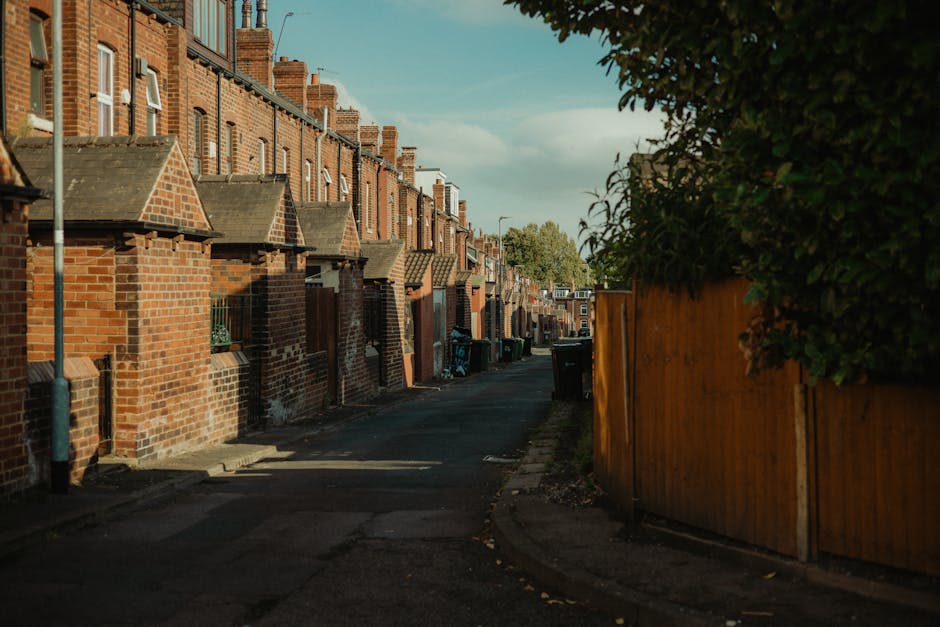
Cable Street rubbish removal guide for Shadwell homes

If you live near Cable Street in Shadwell, rubbish can build up faster than you expect. A hallway starts to narrow, a spare room becomes a dumping ground, or one Saturday's "quick clear-out" turns into a full-scale job by lunch. This Cable Street rubbish removal guide for Shadwell homes is here to make the process simpler, safer, and a lot less stressful.
Whether you are clearing a flat, a maisonette, a family home, or a property between tenants, the same basic questions come up: what can go, what should be separated, how do you avoid fines or delays, and what is the most efficient way to get it all done? Let's walk through it properly, with local realities in mind and without the fluff.
Quick takeaway: The best rubbish removal plan for a Shadwell home is usually the one that matches your access, your load type, and your time pressure. A bit of sorting first saves a lot of hassle later.
Why Cable Street rubbish removal guide for Shadwell homes Matters
Shadwell homes often deal with a mix of everyday clutter, move-related waste, renovation leftovers, and bulky items that simply do not fit into normal bins. That mix matters because different materials need different handling. A broken wardrobe is not the same as a bag of old clothes. A pile of tile offcuts is not the same as garden waste. And if you have ever tried to squeeze a mattress through a narrow stairwell while your neighbour is coming down with shopping, you will know exactly why planning matters.
Cable Street and the surrounding streets also have their own practical quirks. Some properties have tight entrances, shared access, or limited kerb space. Others are in blocks with common hallways where you need to be considerate, quick, and tidy. The wrong approach can create mess, block access, or lead to avoidable back-and-forth. Not ideal, to be fair.
This guide matters because a well-run rubbish removal job does three things at once: it clears space, reduces stress, and helps you avoid disposing of items in the wrong way. It is also useful for anyone comparing options, because it shows what a proper clearance process should look like rather than just "someone turning up with a van".
If you are working through a larger clear-out, it can help to understand related services too. For example, a house clearance may suit full-property jobs, while flat clearance is often a better fit for smaller homes or upper-floor properties. For heavier items, furniture disposal can be a smart route when the main issue is bulky household waste rather than mixed rubbish.
Table of Contents
- Why Cable Street rubbish removal guide for Shadwell homes Matters
- How Cable Street rubbish removal guide for Shadwell homes Works
- Key Benefits and Practical Advantages
- Who This Is For and When It Makes Sense
- Step-by-Step Guidance
- Expert Tips for Better Results
- Common Mistakes to Avoid
- Tools, Resources and Recommendations
- Law, Compliance, Standards, or Best Practice
- Options, Methods, or Comparison Table
- Case Study or Real-World Example
- Practical Checklist
- Conclusion
- Frequently Asked Questions
How Cable Street rubbish removal guide for Shadwell homes Works
At a practical level, rubbish removal is a managed collection and disposal process. The provider assesses what needs removing, plans the load, collects the waste, sorts items for reuse or recycling where possible, and handles disposal through the proper channels. Simple on paper. In real life, the good jobs are usually the ones where the preparation is clear and the access is thought through before the van arrives.
For Shadwell homes, the process often starts with a walk-through or a few photos. That is especially useful when stairs are involved, parking is limited, or items are awkwardly placed in a loft, basement, or back room. A realistic assessment usually covers volume, weight, access, item type, and whether anything needs special handling. A cracked washing machine, for example, is very different from mixed bagged rubbish.
Many household clearances in this area also overlap with other needs. A cluttered loft might be handled alongside a loft clearance. A garage packed with old tools, paint tins, and broken shelving might call for garage clearance. If the pile includes old sofas, tables, wardrobes, or chairs, then furniture clearance may be the cleaner, more direct option.
The key is not to treat all rubbish as one single category. A decent removal plan separates what can be reused, recycled, or responsibly disposed of. That is better for your home, better for the street, and frankly better for everyone trying to avoid a messy week.
Key Benefits and Practical Advantages
The biggest benefit is obvious: you get your space back. But there are other practical wins that people often miss until they have done a proper clearance once.
- Less disruption: a planned removal is quicker than repeated trips to a local tip or trying to force everything into small bin collections.
- Safer rooms and hallways: removing stacked waste reduces trip hazards, blocked exits, and crushed packaging sitting around for weeks.
- Better sorting: when items are separated sensibly, reuse and recycling become much easier.
- Cleaner property presentation: useful if you are selling, letting, or getting ready for decorators or trades.
- Less physical strain: especially important with heavy furniture, awkward staircases, or top-floor flats.
There is also a quieter benefit: peace of mind. You stop looking at the pile. That sounds small, but it changes how a home feels. One neat corner can make the whole room seem calmer. A lot of people notice this the same evening the clearance happens. Bit of breathing room, suddenly.
If you are comparing related services, the needs can overlap. A general waste removal service is useful for mixed loads, while home clearance can work well where a property has several rooms in play. For landlords, agents, or owners dealing with tenant turnover, this kind of flexibility can be a real time-saver.
Who This Is For and When It Makes Sense
This guide is for anyone in or around Cable Street who needs rubbish removed from a home and wants a sensible, low-drama approach. That includes homeowners, tenants, landlords, executors, letting agents, and families helping older relatives downsize. It also suits people who are not sure whether they need a full clearance or just a few bulky items taken away.
It makes sense when:
- you are moving out and need to leave the property tidy;
- you are renovating and have bagged waste, broken fixtures, or old fittings;
- you are dealing with a loft, shed, garage, or spare room that has become overloaded;
- you want furniture gone without lifting it yourself;
- you need the place cleared quickly and safely.
It is also useful if you are trying to work around other property jobs. For example, before new flooring goes in, before a deep clean, or before a handover inspection. In our experience, the earlier you clear rubbish, the easier every other trade job becomes. Less moving things around. Less last-minute scrambling. Fewer "where did that box come from?" moments.
For mixed household jobs, some people prefer to pair rubbish removal with house clearance or a more focused option such as furniture clearance. If the main challenge is a property full of odds and ends rather than one specific item type, a broader approach usually saves time.
Step-by-Step Guidance
Here is a practical way to handle rubbish removal in a Shadwell home without making the job harder than it needs to be.
- Walk through the property room by room. Look at what is actually rubbish, what could be donated or reused, and what needs special care.
- Separate bulky items from loose waste. Sofas, wardrobes, broken beds, and appliances usually need their own handling plan.
- Set aside any restricted items. Paint, chemicals, batteries, electricals, and sharp materials may need different treatment.
- Check access. Measure doorways, note stair counts, and think about parking or loading space. Tiny detail, huge difference.
- Gather photos if you are requesting a quote. Clear images of piles, rooms, and access points help avoid surprises.
- Pick a removal window that works for the household. Early starts often help in busy streets, but the right timing depends on your block and neighbours too.
- Clear the route. Move smaller items away from hallways and doorways so the clearance can happen smoothly.
- Confirm what is included. Make sure you understand loading, lifting, sorting, and disposal arrangements before the team arrives.
- Do a final sweep. Check cupboards, under beds, behind doors, and in corners. The lost charger always hides somewhere odd.
A good removal does not feel rushed. It feels organised. You should be able to see the logic of it as soon as the work begins.
If you are dealing with home clutter across several areas, it may be worth looking at a home clearance approach rather than treating each room separately. For one-off old items, though, a more focused disposal plan can be the cleaner choice.
Expert Tips for Better Results
A few small decisions can make the whole job smoother. The first is to sort before you start lifting. That sounds obvious, but people often begin by moving everything into the hallway, which creates a bottleneck and makes the property feel even more cluttered.
Second, think in layers. Large items first, then mixed waste, then small loose materials. If you stack bags on top of furniture, someone still has to unpick that later. Nobody loves that part.
Third, keep the keep, donate, and dispose piles distinct. Even if the final decision is not completely certain, separation helps. You can always revise a "maybe" pile later. You cannot easily untangle it once it is all mixed together.
Fourth, protect floors and walls if the route is tight. Old carpet, narrow corners, or freshly painted finishes can be marked during moving. A small amount of preparation can prevent a frustrating scuff that you notice every time you walk past.
One more thing: be honest about what is in the pile. If there are awkward materials, broken glass, or weighty items, say so upfront. Good planning starts with accurate information. It is the difference between a smooth collection and a mildly chaotic one.
For heavier or more specialised loads, related services can help. A home with leftover renovation debris might need builders waste clearance. A property-based business or home office may need office clearance if desks, filing, or broken equipment are part of the mess.
Common Mistakes to Avoid
People usually do not get rubbish removal wrong because they do not care. They get it wrong because they are trying to save time and end up creating more work.
- Mixing everything together: recycling, reusable items, and general waste become harder to sort later.
- Ignoring access problems: a job that looks small can become slow if stairways, lifts, or parking are not considered.
- Leaving the hardest items until the end: if the heavy stuff is saved for last, the clearance often drags on.
- Forgetting restricted waste: some materials need special handling, so they should be flagged early.
- Assuming all clearance services are identical: a general rubbish job, a furniture-heavy job, and a full property clearance are not the same thing.
- Not checking final room scans: people frequently leave small items behind in cupboards or high shelves.
There is also a subtle mistake people make: underestimating how tired they will be after the first hour of lifting. Truth be told, a lot of "we'll do it ourselves" plans unravel once the sofa reaches the stairs. No shame in that. It happens all the time.
If your job is mainly bulky household items, using a dedicated furniture disposal route may save you from trying to wrestle awkward pieces into a general rubbish pile. Similarly, if the property is unusually full, a more structured flat clearance can be easier to organise than piecemeal removal.
Tools, Resources and Recommendations
You do not need a van full of equipment to get started, but a few simple tools help enormously.
- Strong bin bags or rubble sacks for light mixed waste
- Gloves for sharp edges, dust, and rough surfaces
- Sticky labels or marker pens to mark keep, donate, and dispose piles
- Tape measure for doorways, stairs, and item dimensions
- Phone camera for documenting loads and access points
- Protective floor covering if the route is tight or recently decorated
When choosing a provider or planning the job, look for clarity more than flash. Do they ask sensible questions? Do they seem interested in access, item type, and timing? Do they explain what happens to different waste streams? Those are good signs. If the conversation feels vague from the start, the job may be vague too.
It is also worth checking the practical side of the service. You may want to review pricing and quotes before you book, especially if you are comparing several different types of removal. And if sustainability matters to you, recycling and sustainability information can tell you more about how recoverable materials are handled.
For reassurance around the provider itself, a quick look at about us and insurance and safety can help you judge professionalism. Those pages are not exciting reading, admittedly, but they matter when you are letting people into your home.
Law, Compliance, Standards, or Best Practice
Rubbish removal in the UK is not just about getting things off the premises. Waste has to be handled responsibly, and householders should be careful about who takes it away. In plain English: if someone removes your rubbish and dumps it illegally, it can create a headache for you as well as for them. That is why using a proper, transparent service matters.
From a best-practice perspective, the main things to watch are:
- clear identification of what is being collected;
- reasonable handling of recyclable and reusable items;
- safe lifting and loading practices;
- care with sharp, heavy, or potentially hazardous materials;
- proper disposal routes rather than quick-fix shortcuts.
For householders, the safest approach is to keep a record of what was removed, especially for larger jobs. That is simple enough: photos before collection, confirmation of what was included, and a written quote if one was provided. It is not overkill. It is just sensible.
Where a job overlaps with property management, business premises, or mixed-use space, you may also need a more formal approach. In those cases, business waste removal may be more suitable than a standard domestic pickup. And if the job is tied to renovation or repair work, builders waste clearance is often the better match for the material being dealt with.
Options, Methods, or Comparison Table
Here is a simple comparison of common ways Shadwell residents handle rubbish removal. The right option depends on the kind of waste, the size of the job, and how hands-on you want to be.
| Method | Best for | Strengths | Watch-outs |
|---|---|---|---|
| Self-clearance | Small, light loads | Can feel cheaper if you already have transport | Time, lifting, parking, and multiple trips |
| General rubbish removal | Mixed household waste | Flexible and practical for cluttered homes | Needs clear sorting and access information |
| Furniture-focused clearance | Bulky items like sofas and wardrobes | Efficient for awkward or heavy pieces | Less useful if the waste is mostly loose bags and mixed debris |
| Full property clearance | Whole homes, probate, downsizing, tenancy ends | Most organised for larger jobs | Needs more planning and clearer item lists |
If the job is mainly household clutter, the comparison often comes down to speed versus effort. Self-clearance sounds manageable until you are carrying bags downstairs in drizzle, one arm slipping on a box that was heavier than it looked. A managed clearance can remove that burden quite neatly.
For residential properties with several problem areas, a combined approach may work best. For example, a garage full of mixed junk, a loft of old household boxes, and a sofa that has seen better days could involve garage clearance, loft clearance, and furniture removal in one plan. Simple enough, once it is broken down properly.
Case Study or Real-World Example
Imagine a Shadwell flat near Cable Street where the resident is moving out at the end of a tenancy. The living room has two broken chairs, an old TV unit, several bagged items, and a box of mixed bits from the kitchen. The hallway is narrow, the stairs are shared, and the move-out deadline is looming. A familiar scene, really.
The first step is not lifting. It is sorting. The resident separates obvious keep items, sets aside small valuables, and groups the waste by type. The furniture is identified first because it will take the most space and effort. Photos are taken, access is checked, and the stair route is cleared. That means no coats on hooks, no shoes in the way, and no "just leave that there for a minute" pile in the corner.
On collection day, the bulky items go out first, followed by the bagged waste. Nothing is dragged over the floor unnecessarily. The room ends up empty enough for a final clean, and the property feels ready for handover. Not glamorous, but very effective.
That is the main lesson: when rubbish removal is planned around the home rather than the other way around, the whole thing feels manageable. The stress comes down. The space opens up. And you can finally see the floor again, which is always satisfying in its own quiet way.
Practical Checklist
Use this checklist before you book or begin.
- Identify the items to be removed.
- Separate rubbish, furniture, recycling, and reusable items.
- Take note of stairs, lift access, parking, and entry points.
- Measure any large furniture if access looks tight.
- Set aside restricted or potentially hazardous items.
- Photograph the load for reference.
- Decide whether you need general waste removal, furniture clearance, or a full property clearance.
- Choose a time window that suits the property and neighbours.
- Confirm what happens to recyclable or reusable items.
- Do a final room-by-room sweep after everything is loaded.
If you are still unsure which route fits best, start with the broadest question: what is actually being removed? That one answer usually points you towards the right service.
Conclusion
Rubbish removal in Cable Street and the wider Shadwell area is rarely just about rubbish. It is about access, timing, safety, and finding a method that fits the home you actually live in. Once you break the job into types of waste, access issues, and room-by-room priorities, it becomes much easier to manage.
The goal is not perfection. It is a clear space, a safer home, and a process that does not swallow your whole weekend. If you want the job handled neatly, with a sensible plan and a proper focus on the practical side, you are already on the right track.
Get a free quote today and see how much you can save.
And once the clutter is gone, the room does what it should do again: it breathes. That is a good feeling, honestly, and one worth keeping.
Frequently Asked Questions
What is the best way to remove rubbish from a Shadwell home?
The best approach is usually to sort items first, then choose a removal method based on volume, access, and item type. For mixed loads, a managed waste removal service is often the easiest option.
Do I need a full house clearance or just rubbish removal?
If you are clearing most rooms, a full house clearance may be more suitable. If the issue is mainly bags, broken items, or a few bulky pieces, rubbish removal or furniture disposal may be enough.
Can furniture be taken away with general rubbish?
Sometimes yes, but large items are often easier to handle through a dedicated furniture clearance service. That keeps the load more organised and can reduce delays.
How should I prepare a flat in Cable Street before collection?
Clear walkways, separate waste into rough categories, and check access routes such as stairs, lifts, and entrance doors. A few minutes of prep can save a lot of time on the day.
What happens if I have loft, garage, and room waste all mixed together?
That is common, and it is usually fine. The key is to note where the waste came from and identify any special items early. Loft clearance and garage clearance can often be folded into one larger plan.
Are there items that need special handling?
Yes. Paint, chemicals, batteries, broken glass, and some electrical items may need extra care. If you are unsure, set them aside and flag them before collection.
How do I know if a removal company is suitable for my property?
Look for clear questions about access, item type, and timing. A professional provider should explain what is included and make the process feel straightforward rather than vague.
Is it better to clear rubbish before cleaning or decorating?
Yes, usually. Removing waste first makes cleaning and decorating much easier, and it reduces the chance of damaging fresh work later.
What is the difference between waste removal and builders waste clearance?
General waste removal covers mixed household rubbish, while builders waste clearance is better for renovation debris such as tiles, plaster, timber offcuts, and packaging from works.
Can I ask for advice before booking?
Absolutely. It is sensible to ask questions about access, item types, and the right service for your property. If you need a starting point, the contact page is there for that sort of conversation.
What should I do if I am clearing a property for sale or tenancy handover?
Focus on speed, safety, and making sure nothing important is left behind. A structured home clearance or flat clearance can help the property present well and save last-minute stress.
How can I make rubbish removal easier for everyone involved?
Sort early, keep pathways open, be honest about the load, and avoid mixing heavy items with small loose waste. It sounds basic, but that is often what makes the difference between a smooth job and a messy one.
For more background on the company and how it works, you can also review about us and the service information for recycling and sustainability. A little extra clarity never hurts.